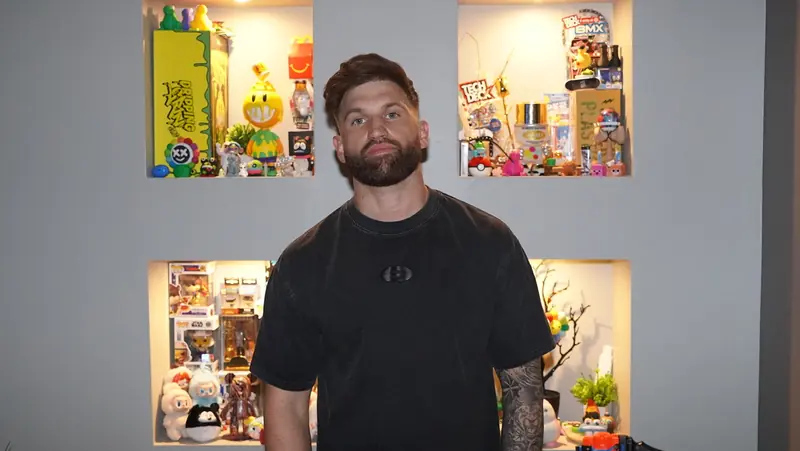

I sell press for a living, so you should know where I stand before you read another word. Paid placements are not dirty. Earned placements are not holy. The only thing I think is actually wrong is paying for coverage and then telling the world an editor chose you on merit.
That is the whole post. The rest is how I think about it and what I would do if I were you.
Two different products that get sold as one
Earned media is coverage a publication chose to run. Nobody paid for the space. An editor or writer decided your story, your expertise or your company was worth their readers' time, and they did the work to say so. You cannot buy it directly. You can only make yourself worth it, and then ask well.
Paid media is space you buy. An advertisement, a sponsored article, a branded content package. The publication has agreed to run what you give it, and it should say clearly that you gave it.
Both are legitimate. A sponsored article that is labeled as one, written well, and useful to a reader is an honest piece of marketing. An earned feature that took three weeks of pitching and one tough edit is an honest piece of journalism. Neither one is a scam.
The trouble starts in the gray zone between them, where someone buys the first and sells it as the second.
The label is the whole game
Regulators have been clear about this for a long time. In 2015 the Federal Trade Commission published its Enforcement Policy Statement on Deceptively Formatted Advertisements. The core idea is simple. If an ad looks like editorial content, the reader has to be told it is an ad, clearly enough that they will notice. Fine print and vague words do not count.
I find that useful because it draws the line where I would draw it. The question is never whether money changed hands. The question is whether the reader, and the person reading the "As Seen In" bar on your website, knows which kind of thing they are looking at.
I wrote before about how most "As Seen In" logos don't mean what you think. This is the same problem from another side. A logo strip treats every logo as the same thing. It collapses a paid sponsored post, a contributed column and a full editorial feature into one row of equal-looking marks. The visitor assumes all of them are the third kind. Sometimes none of them are.
I have a stake in this and I will say so plainly. My company works with a network of 1,600+ publications and combines editorial PR with AI search optimization. I want the word "featured" to keep meaning something, because my work only has value if it does. Every time someone buys a sponsored slot and describes it as being selected by the editors, that word gets a little cheaper for everyone who actually earned it.
Why this matters more now that AI tools read the page
Here is the part that has changed. For years the main audience for a placement was a human skimming your homepage. A slightly fuzzy label could survive that, because a skimming human sees a famous name and moves on.
AI search tools do not skim that way. ChatGPT, Claude, Perplexity and Google AI Mode read the actual page. They can see whether a piece is marked sponsored, whether it has a byline from staff or a contributor, and what the surrounding site is. I cannot tell you exactly how each tool weighs those signals, because the companies do not publish it, and anyone who claims to know the formula is guessing. What I can say from watching client campaigns is that how a mention reads on the page matters, and that coverage the publication stands behind tends to be the coverage that keeps working.
I said something similar in a recent interview with Bomb Report in May 2026: being the best at what you do is no longer enough, because people have to be able to find you and see proof. Proof is the key word. A paid mention can be proof of something, such as that you are active and willing to put your name on a message. It is weak proof of quality, because anyone with a budget can have one. An earned mention is stronger proof because someone with no reason to flatter you picked you anyway.
That does not make paid worthless. It makes it a different tool with a different job.
What I would do with this, in order
Use paid media for reach and for control. If you have an announcement, an offer or a message that needs to land in front of a specific audience on a specific date, buy the space, label it honestly and write it for the reader. You get precision. You do not get credibility, and you should not try to borrow it.
Use earned media for trust. This is the slow one. It rewards being specific, being useful to a real editor and having something worth saying. A press release is not press, and neither is a purchased placement, so do not measure either one the way you would measure the real thing.
Then keep the two apart in how you describe yourself. On your website, in your bio and in your sales conversations, say "featured in" only for coverage a publication chose to run, and say "sponsored" or "contributed" for the rest. That small bit of honesty costs you very little. It is also what protects you the day a prospect, a journalist or an AI tool looks closely at what you have been claiming.
Your task this week
Open your website and find every logo, quote or "as seen" mention you display. For each one, click through and answer one question: if a stranger landed on that page cold, would they understand that it was earned, contributed or paid?
If the answer is no for any of them, you have two honest options. Relabel it so it says what it is, or take it down. Either one is better than leaving it to be discovered.
If you want a rule of thumb, here it is. Never describe a placement in a way that would embarrass you if the publication's editor read it out loud.
What would you have to change on your own site if you applied that rule today? I am curious how many people find nothing, and how many find a lot.